Introduction
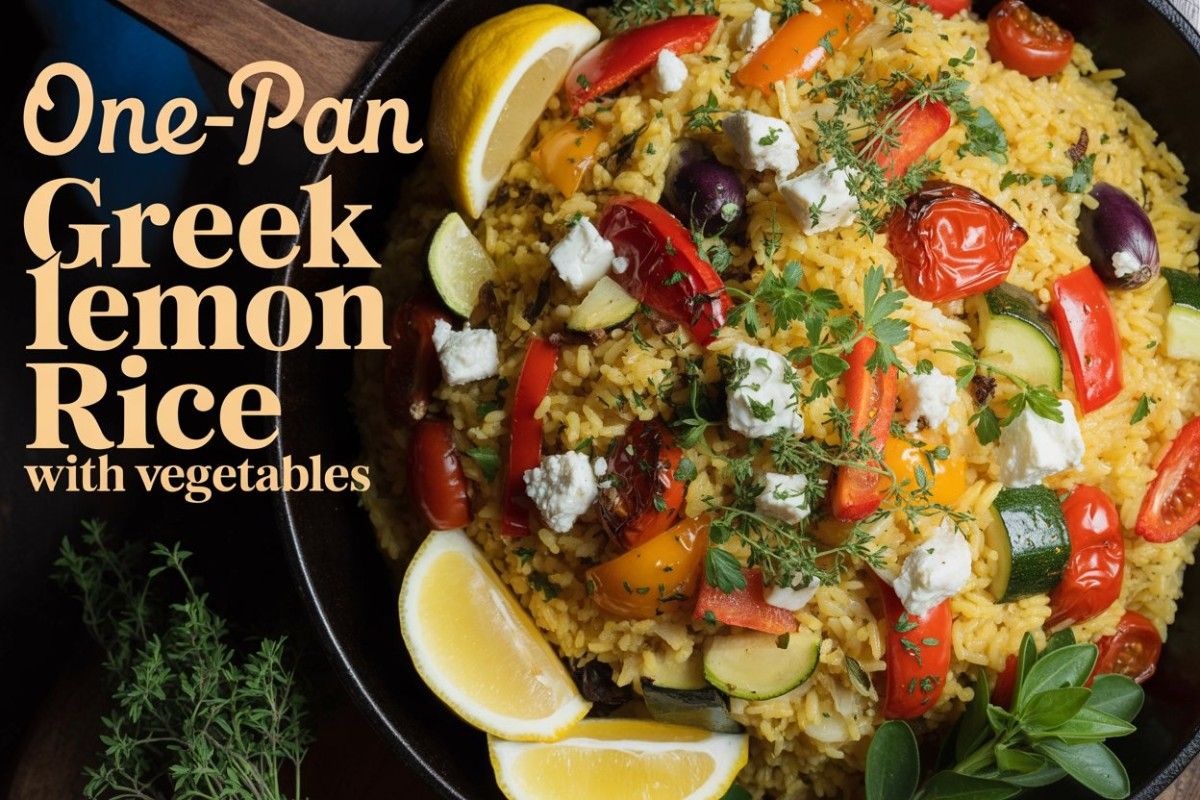
This One-Pan Greek Lemon Rice with Vegetables brings together fluffy rice, crisp vegetables, and bright Mediterranean flavors in a single dish that cooks itself while you relax. Perfect for busy families, meal preppers, and anyone craving wholesome comfort food without the cleanup headache.
You’ll discover the essential Greek ingredients that make this dish sing with authentic flavor, plus learn the simple cooking method that guarantees perfectly tender rice and vegetables every time. We’ll also share smart customization tips so you can adapt this versatile recipe to your family’s tastes and whatever vegetables are sitting in your fridge.
Essential Ingredients for Authentic Greek Flavors
High-quality long-grain rice varieties that absorb flavors perfectly
Choosing the right rice makes all the difference in creating an authentic Greek lemon rice dish. Long-grain varieties like basmati or jasmine rice work beautifully because their individual grains stay separate and fluffy while soaking up every drop of lemony goodness. Basmati rice brings a subtle nutty flavor that pairs wonderfully with Mediterranean herbs, while jasmine rice offers a delicate aroma that won’t compete with your other ingredients.
Avoid short-grain or sticky rice varieties, as they’ll turn your dish into a mushy mess instead of the light, separate grains that define proper Greek rice. The key is finding rice that can handle the generous amount of liquid from lemon juice, broth, and vegetable moisture without becoming soggy.
Fresh lemon juice and zest for bright Mediterranean taste
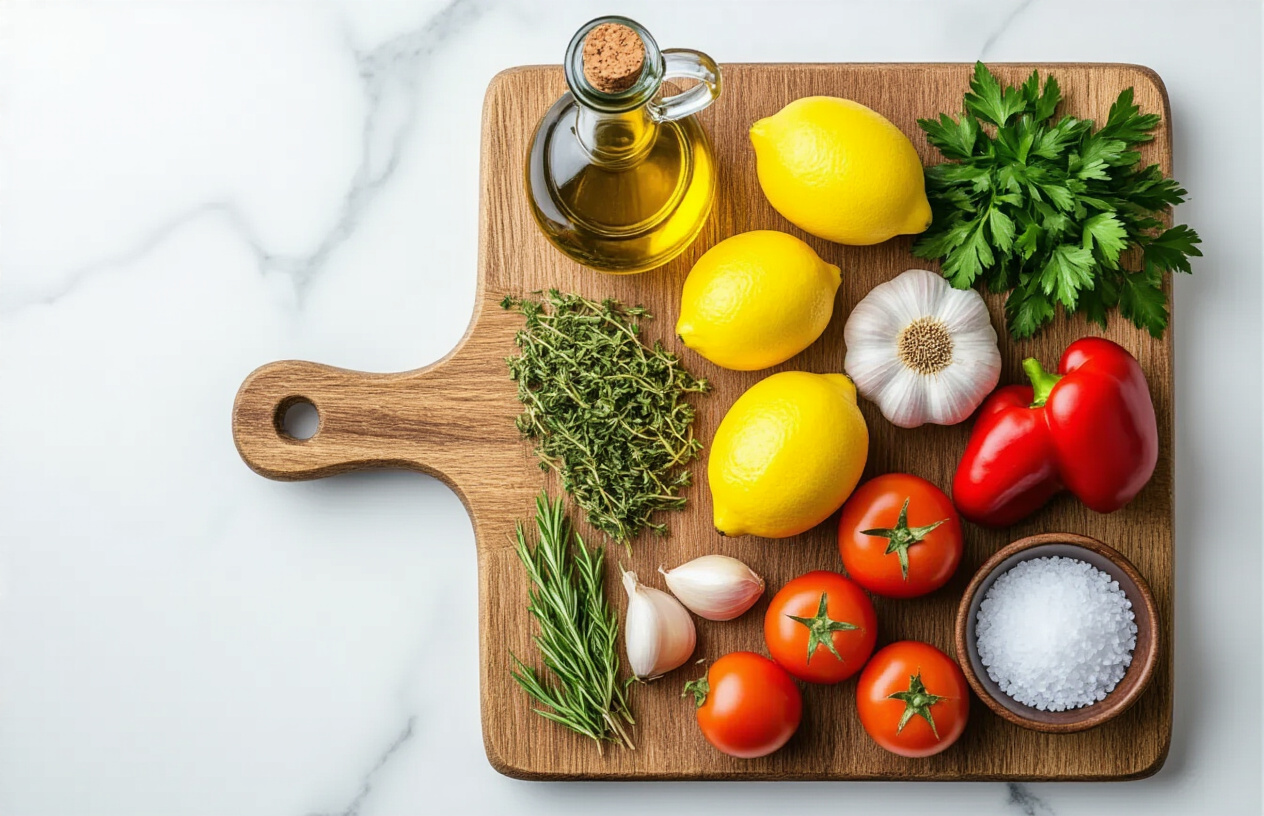
Greek cuisine revolves around the bright, sunny flavors of fresh lemons, and this dish showcases them perfectly. You’ll need both the juice and zest from about 2-3 large lemons for a full pan of rice. The juice provides that signature tangy flavor, while the zest adds aromatic oils that make your kitchen smell like a Greek island taverna.
Always use fresh lemons rather than bottled juice – the difference is remarkable. Roll your lemons on the counter before juicing to get maximum liquid, and zest them before cutting to make the job easier. The combination of juice and zest creates layers of citrus flavor that develop beautifully as the rice cooks.
Aromatic herbs and spices that define Greek cuisine
The herb and spice blend transforms ordinary rice into something authentically Greek. Fresh dill is absolutely essential – its feathery leaves and distinctive flavor are synonymous with Greek cooking. Add it both during cooking and as a fresh garnish at the end.
Extra virgin olive oil forms the foundation of flavor, so don’t skimp on quality here. Greek oregano (which is more intense than regular oregano) adds earthy depth, while fresh parsley brings brightness and color. A pinch of sweet paprika gives gentle warmth without overwhelming heat.
| Essential Herbs & Spices | Purpose | When to Add |
|---|---|---|
| Fresh dill | Signature Greek flavor | During cooking + garnish |
| Extra virgin olive oil | Flavor base | Beginning of cooking |
| Greek oregano | Earthy depth | With other dried spices |
| Fresh parsley | Brightness and color | Final garnish |
| Sweet paprika | Gentle warmth | With rice and liquid |
Seasonal vegetables that complement the rice base
The beauty of this one-pan dish lies in how vegetables cook alongside the rice, releasing their flavors into every grain. Bell peppers – red, yellow, or orange – add sweetness and vibrant color. Cherry tomatoes burst with juice as they cook, creating natural flavor pockets throughout the dish.
Zucchini and yellow squash work perfectly because they cook at the same rate as rice without becoming mushy. Red onions provide a mild, sweet base that mellows beautifully with long cooking. For extra Greek authenticity, add Kalamata olives in the final minutes of cooking.
Green beans, artichoke hearts, and roasted red peppers also make excellent additions. The trick is cutting everything into similar-sized pieces so they finish cooking at the same time as your rice. Root vegetables like carrots or potatoes need to be diced smaller or added earlier in the cooking process.
Kitchen Equipment and Tools for One-Pan Success
Choosing the right pan size and material for even cooking
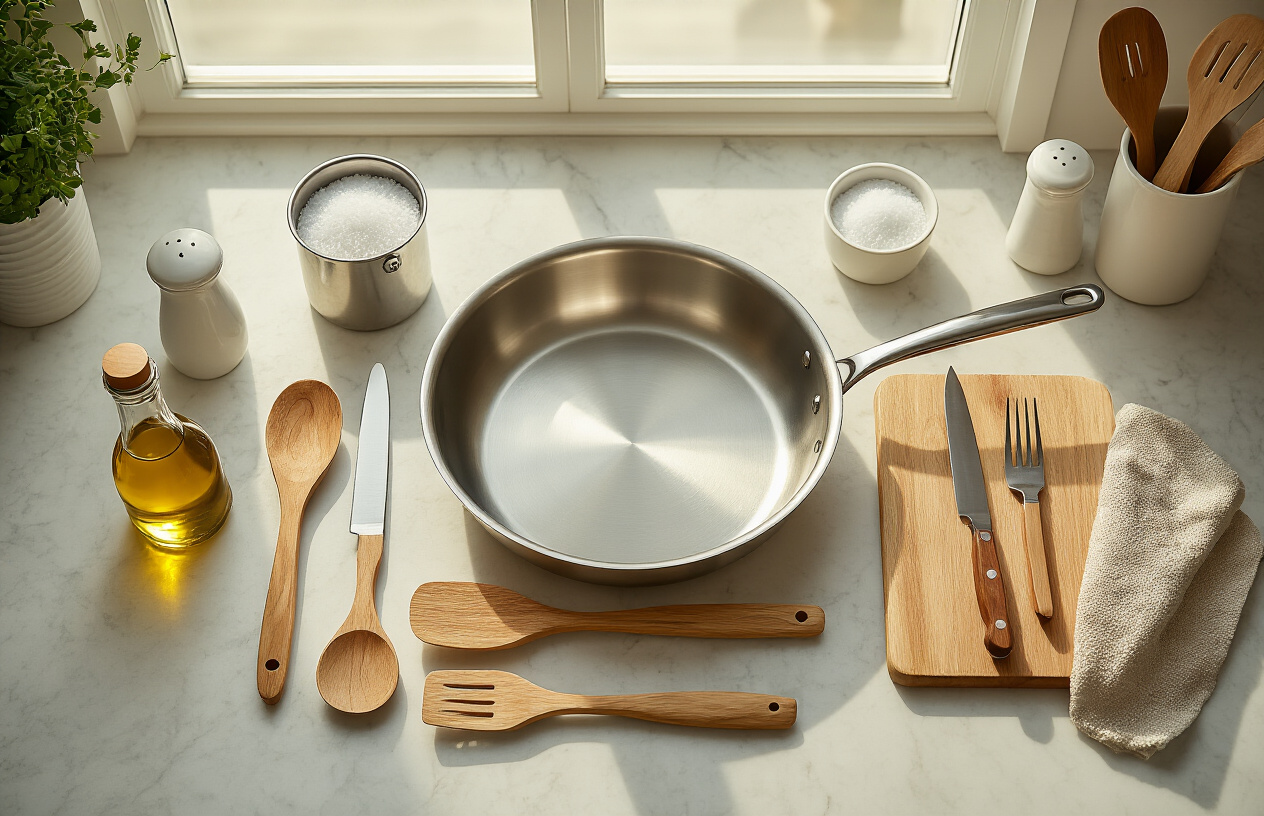
The foundation of perfect one-pan Greek lemon rice starts with selecting the right cookware. A wide, shallow pan works best for this dish – think 12 to 14-inch diameter with sides that are 2 to 3 inches high. This size gives the rice plenty of surface area to cook evenly while allowing the liquid to reduce properly without creating a soggy mess.
Stainless steel pans deliver excellent results for Greek rice dishes. They distribute heat evenly and won’t react with the acidic lemon juice, keeping your flavors bright and clean. Cast iron skillets work beautifully too, especially if you want that slightly crispy bottom layer of rice that Greeks call “kaimaki.” Non-stick pans can work in a pinch, but they don’t develop the same depth of flavor that comes from proper browning.
Avoid narrow, deep pots – they trap steam and turn your rice into mush. The vegetables need space to caramelize and release their flavors into the rice, which only happens when moisture can escape properly.
| Pan Material | Heat Distribution | Acid Resistance | Browning Ability | Best For |
|---|---|---|---|---|
| Stainless Steel | Excellent | High | Good | All-around performance |
| Cast Iron | Very Good | Moderate | Excellent | Crispy bottom texture |
| Non-stick | Good | High | Poor | Easy cleanup |
Essential utensils for stirring and serving
A wooden spoon remains your best friend when making Greek lemon rice. Wood doesn’t conduct heat, so you won’t burn your hand during long stirring sessions. It’s also gentle on your pan’s surface and won’t scrape off any protective coatings. Keep a long-handled wooden spoon handy – the extra length protects your hand from steam and splattering oil.
For serving, grab a large, flat serving spoon or rice paddle. These tools help you scoop up generous portions without breaking the delicate rice grains. A slotted spoon comes in handy if you want to serve the vegetables separately or drain any excess liquid from individual portions.
Don’t forget about a good ladle for adding broth gradually. Some recipes call for adding liquid in stages, and a ladle gives you perfect control over the amount and placement. A silicone spatula works wonders for scraping up any delicious bits stuck to the bottom of the pan – those browned pieces add incredible flavor to your final dish.
Measuring tools for perfect liquid-to-rice ratios
Getting the liquid-to-rice ratio right makes the difference between perfect, fluffy rice and a mushy disaster. A set of dry measuring cups specifically for rice gives you accuracy every time. Rice settles differently depending on the variety, so always level off your measurements with a knife.
For liquids, use a clear glass measuring cup with a pour spout. You’ll need to measure both broth and lemon juice precisely. Most Greek rice recipes use about 2.5 to 3 cups of liquid per cup of rice, but this varies based on your rice type and desired texture.
A kitchen scale takes the guesswork out of measurements entirely. Professional cooks weigh their rice (about 185 grams per cup) because it’s more reliable than volume measurements. This method works especially well with arborio or other medium-grain rices that can vary significantly in how they pack into measuring cups.
Keep measuring spoons within reach for olive oil, salt, and dried herbs. Even small variations in these ingredients can dramatically change your final result.
Step-by-Step Cooking Method for Perfect Results
Preparing vegetables for optimal texture and flavor
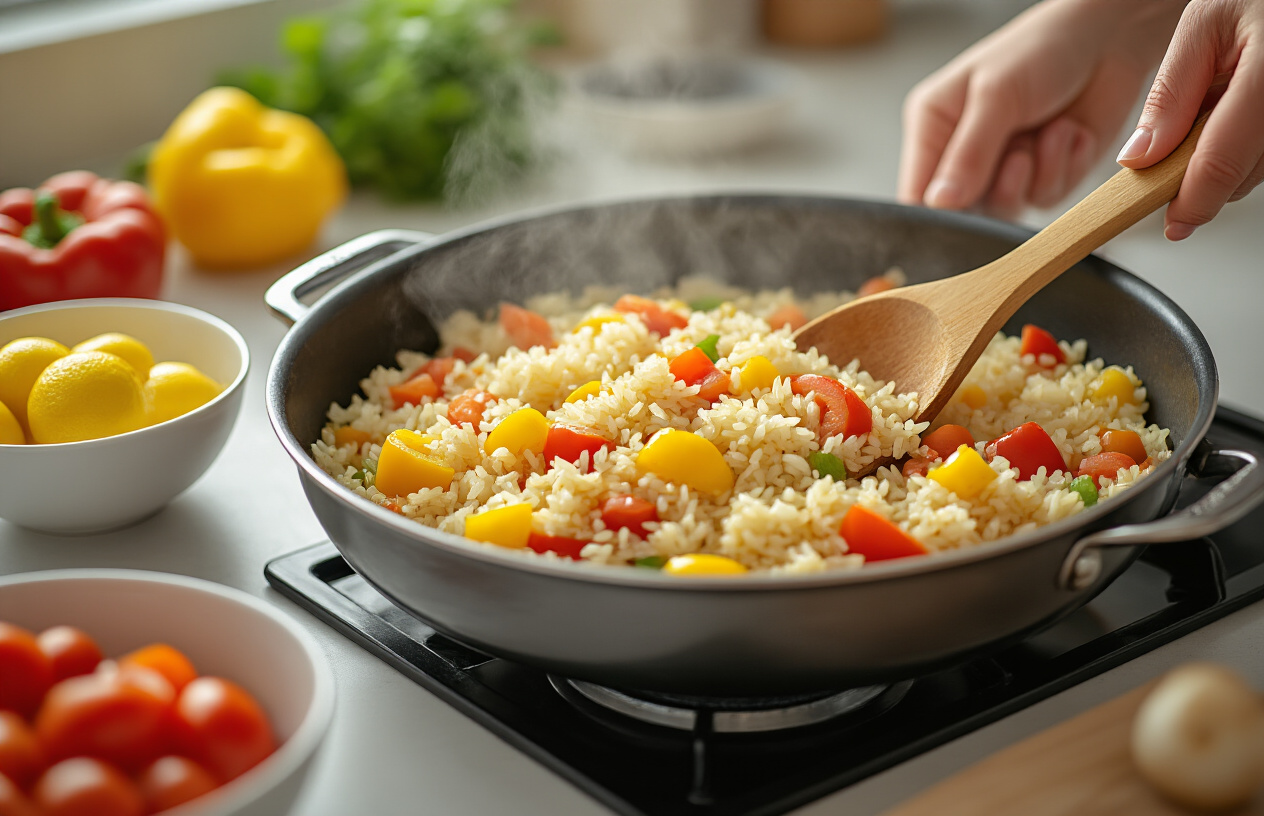
Start by washing and patting dry all your vegetables completely. Cut your onions into half-moons, keeping them roughly uniform at about ¼-inch thickness. This ensures even cooking and prevents some pieces from burning while others remain raw. For bell peppers, slice them into strips about ½-inch wide, removing all seeds and white membranes that can add unwanted bitterness.
Zucchini requires special attention since it contains high water content. Cut into half-moons or rounds no thicker than ½-inch, then lightly salt them and let sit for 10 minutes. Pat dry with paper towels before cooking to prevent excess moisture from making your rice soggy. Cherry tomatoes should be halved to release their juices gradually during cooking, creating natural flavor bursts throughout the dish.
Building the flavor base with aromatics and seasonings
Heat your olive oil over medium heat in your chosen pan. Add minced garlic first, cooking for just 30 seconds until fragrant but not brown. Browning garlic creates bitter flavors that will dominate the entire dish. Next, add your prepared onions and cook for 3-4 minutes until they become translucent and slightly golden.
Create your spice blend by combining dried oregano, dried mint, salt, and freshly ground black pepper. Add this mixture to the pan and toast for 30 seconds, stirring constantly. This technique releases the essential oils from dried herbs and creates a more complex flavor foundation. The key is brief toasting – any longer and the herbs will burn and turn bitter.
Adding rice and liquid in the correct sequence
Add your long-grain rice to the aromatic base, stirring constantly for 2-3 minutes. This crucial step toasts the rice grains, creating a nutty flavor and helping each grain maintain its individual texture rather than becoming mushy. You’ll hear gentle crackling sounds as the rice absorbs the flavored oil.
Pour in your vegetable or chicken broth slowly, followed by fresh lemon juice. The liquid should cover the rice by about ¾-inch. Add prepared vegetables in order of cooking time: start with harder vegetables like carrots, then add peppers and zucchini. Save delicate items like cherry tomatoes for the final 10 minutes of cooking.
Timing and temperature control for fluffy rice
Bring the mixture to a gentle boil, then immediately reduce heat to low and cover tightly. The secret to perfect rice lies in maintaining consistent low heat – too high and the bottom burns while the top stays undercooked. Cook for 18-20 minutes without lifting the lid, as escaping steam disrupts the cooking process.
After the cooking time, remove from heat but keep covered for an additional 10 minutes. This resting period allows residual heat to finish cooking the rice while excess moisture evaporates. Check doneness by gently testing a few grains – they should be tender but still have a slight bite.
Final seasoning adjustments and fresh herb additions
Taste and adjust seasoning before serving, adding more salt, pepper, or lemon juice as needed. Fresh herbs should be added at the very end to preserve their bright flavors and vibrant colors. Roughly chop fresh parsley, dill, or mint, then gently fold them into the rice using a fork to avoid breaking the grains. Finish with a drizzle of high-quality olive oil and serve immediately while hot.
Pro Tips for Customizing Your One-Pan Creation
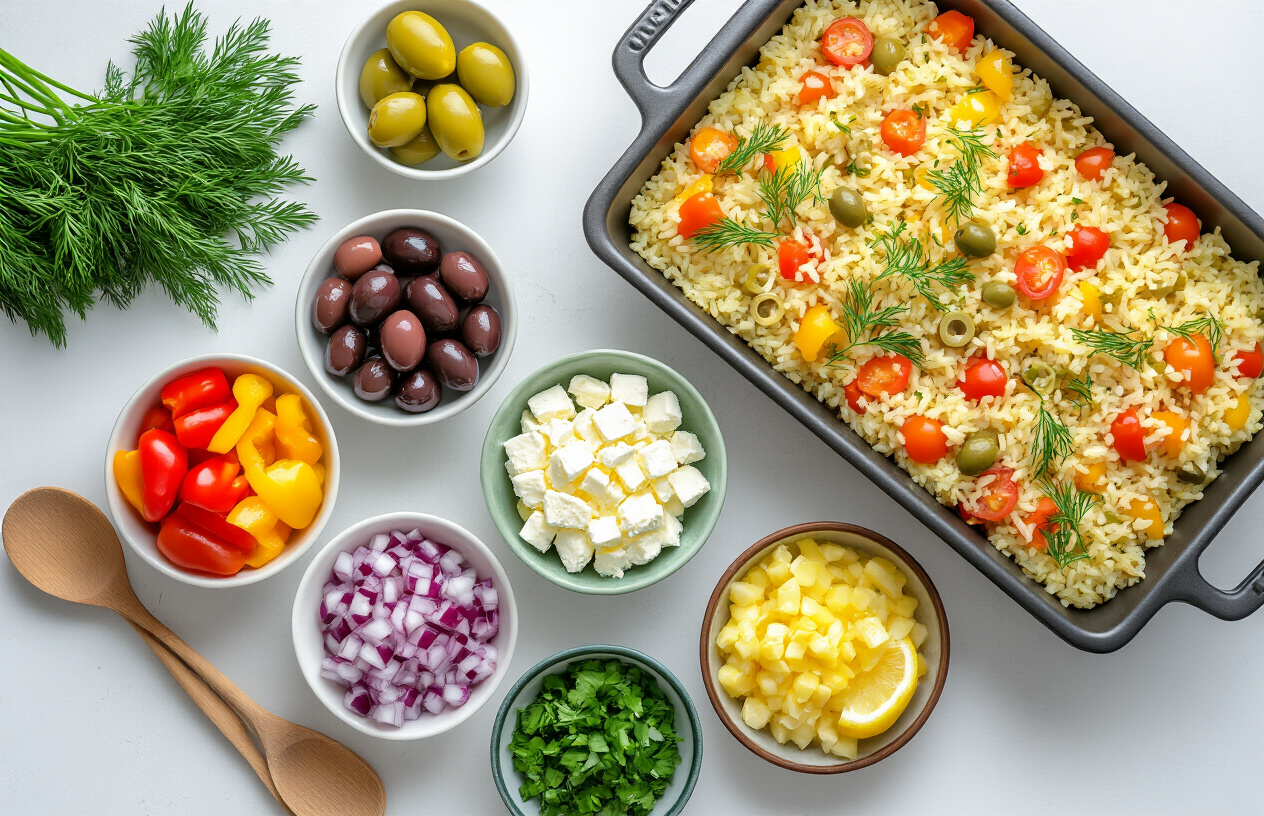
Vegetable Substitutions Based on Seasonal Availability
Spring brings tender asparagus spears, sweet peas, and vibrant artichoke hearts that pair beautifully with the lemony rice base. Cut asparagus into 2-inch pieces and add them during the last 15 minutes of cooking to maintain their crisp texture. Fresh or frozen peas work wonderfully – just toss them in during the final 5 minutes.
Summer calls for Mediterranean classics like zucchini, yellow squash, cherry tomatoes, and bell peppers. Dice zucchini into half-inch cubes and add them halfway through cooking. Cherry tomatoes burst with flavor when added in the last 10 minutes, creating pockets of sweet acidity throughout the dish.
Fall vegetables like roasted butternut squash, Brussels sprouts, and cauliflower add hearty substance. Pre-roast these denser vegetables for 15 minutes before adding them to your rice mixture. Their caramelized edges bring depth and richness that complements the bright lemon flavors perfectly.
Winter root vegetables such as carrots, parsnips, and fennel bulb require longer cooking times. Cut them into small, uniform pieces and add them at the beginning with your onions. Frozen vegetables like green beans, corn, or mixed Mediterranean vegetables work as convenient year-round alternatives.
| Season | Best Vegetables | Cooking Time |
|---|---|---|
| Spring | Asparagus, peas, artichokes | Last 5-15 minutes |
| Summer | Zucchini, tomatoes, peppers | Last 10-20 minutes |
| Fall | Squash, Brussels sprouts | Pre-roast 15 minutes |
| Winter | Root vegetables, fennel | Add at beginning |
Protein Additions to Make It a Complete Meal
Transform your vegetable rice into a satisfying main course by incorporating protein at different stages of cooking. Chicken thighs work exceptionally well – season them with oregano and garlic, then sear them in the same pan before adding your rice and vegetables. The rendered fat adds incredible flavor to the entire dish.
For seafood lovers, shrimp makes an elegant addition. Add large, peeled shrimp during the final 8-10 minutes of cooking, allowing them to turn pink and cook through without becoming rubbery. Firm white fish like cod or halibut can be cut into chunks and nestled into the rice mixture for the last 12-15 minutes.
Plant-based proteins deserve equal attention. Chickpeas, cannellini beans, or lentils bring protein and fiber while maintaining the Mediterranean theme. Canned beans should be drained and rinsed before stirring in during the final 10 minutes. For extra flavor, try marinated tofu cubes or tempeh, adding them halfway through cooking to allow them to absorb the lemon and herb flavors.
Leftover proteins work beautifully too. Rotisserie chicken, grilled lamb, or cooked sausage can be shredded or sliced and stirred in during the last few minutes just to heat through.
Adjusting Spice Levels for Different Taste Preferences
Greek cuisine traditionally relies on herbs rather than heat, but you can easily customize the spice level to suit your family’s preferences. For mild palates, stick to the classic combination of oregano, thyme, and fresh parsley, with just a pinch of black pepper for subtle warmth.
Heat seekers can incorporate red pepper flakes, starting with half a teaspoon and building up to taste. Add them early in the cooking process with your onions to allow the heat to distribute evenly throughout the dish. Fresh or dried chili peppers work wonderfully – try adding sliced banana peppers for mild heat or jalapeños for more intensity.
Paprika brings both color and flavor without overwhelming heat. Sweet paprika adds warmth and smokiness, while hot paprika provides a gentle kick. Start with one teaspoon and adjust according to preference. Smoked paprika creates an interesting Mediterranean-Spanish fusion that many find irresistible.
For those who enjoy complex heat, consider adding a bay leaf during cooking (remove before serving) or a splash of hot sauce in the final minutes. Harissa paste, though North African in origin, complements the Mediterranean flavors beautifully – start with just a teaspoon stirred into the rice.
Fresh herbs can balance heat perfectly. Extra fresh mint, dill, or parsley added at the end provides cooling contrast to spicier versions, creating a well-rounded flavor profile that satisfies diverse tastes around your dinner table.
Storage and Reheating Techniques for Maximum Freshness
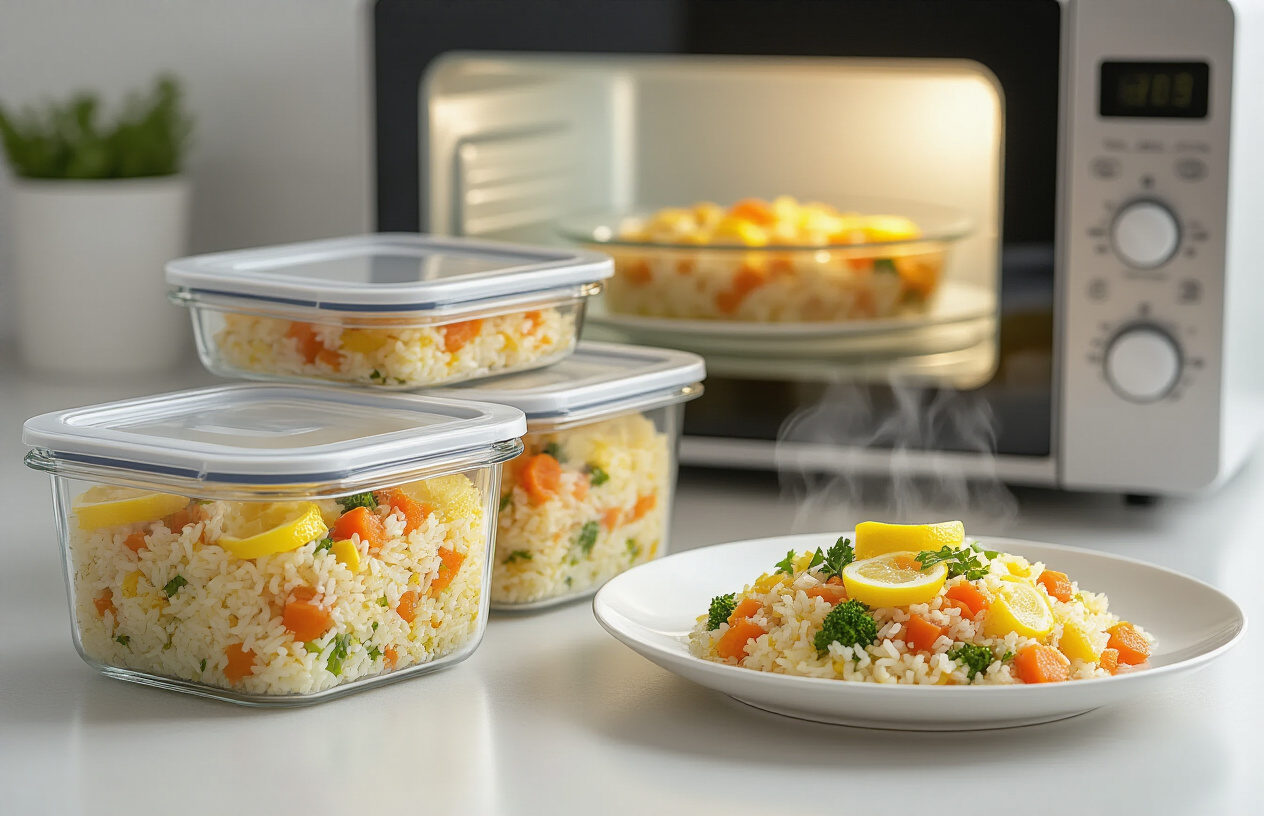
Proper Refrigeration Methods to Maintain Texture
Greek lemon rice with vegetables keeps beautifully when stored correctly. Transfer your leftovers to airtight containers within two hours of cooking to prevent bacterial growth. The key is letting the dish cool completely at room temperature first – hot rice creates steam that turns into condensation, making your perfectly textured rice mushy.
Store the rice in shallow containers rather than deep ones. This allows for faster, more even cooling and prevents the bottom layers from becoming soggy. Your Greek lemon rice will stay fresh in the refrigerator for up to four days. For longer storage, portion the rice into freezer-safe containers and freeze for up to three months.
Separate any delicate vegetables like fresh herbs or tender greens before storing. Add these back when reheating to maintain their vibrant color and fresh taste.
Best Practices for Reheating Without Losing Flavor
Reheating rice dishes requires gentle heat to preserve both texture and those bright Greek flavors. The stovetop method works best – add a splash of chicken or vegetable broth to your rice in a heavy-bottomed pan. Cover and heat over low-medium heat, stirring occasionally. This prevents burning while adding moisture back into the grains.
For microwave reheating, sprinkle a tablespoon of water or broth over the rice, cover with a microwave-safe lid or damp paper towel, and heat in 30-second intervals. Stir between intervals to ensure even heating.
Oven reheating works well for larger portions. Place rice in a covered baking dish with a splash of liquid and heat at 350°F for 15-20 minutes. This method helps maintain the dish’s original texture better than other options.
Add a fresh squeeze of lemon juice and a drizzle of good olive oil after reheating to brighten the flavors that may have dulled during storage.
Creative Ways to Repurpose Leftovers
Transform your leftover Greek lemon rice into completely new meals. Stuff it into bell peppers or tomatoes for classic Greek gemista – just hollow out the vegetables, fill with rice, and bake until tender.
Create crispy rice fritters by mixing the cold rice with beaten eggs, crumbled feta, and fresh herbs. Form into patties and pan-fry until golden. Serve with tzatziki for an authentic Greek appetizer.
Cold rice makes an excellent base for a Mediterranean grain bowl. Top with fresh cucumber, cherry tomatoes, olives, and feta cheese. Drizzle with olive oil and red wine vinegar for a refreshing lunch.
Turn your leftovers into soup by adding warm broth, extra vegetables, and maybe some white beans. The rice thickens the soup naturally while the lemon adds brightness to the broth. You can also use the rice as a filling for grape leaves or mix it into omelets with fresh spinach and cheese.
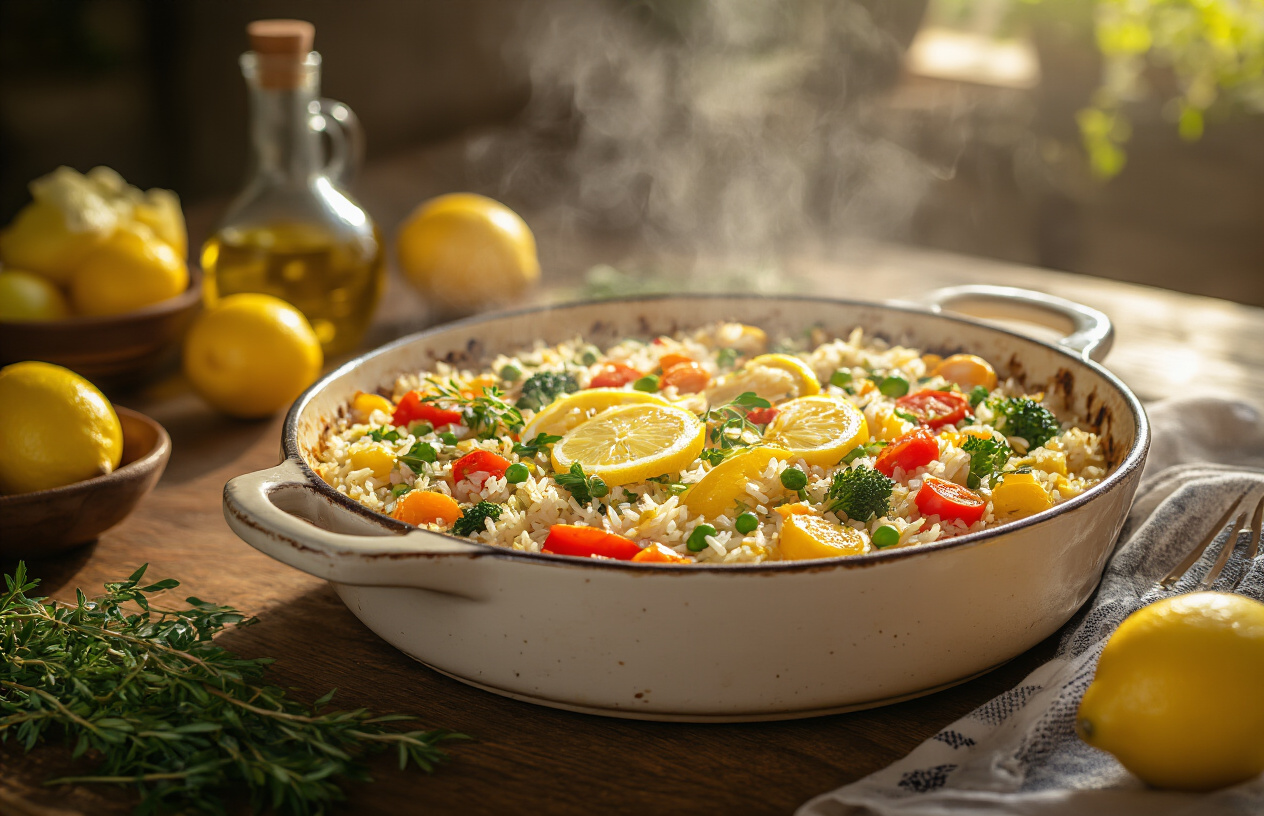
This one-pan Greek lemon rice dish brings together the bright, bold flavors of the Mediterranean right to your dinner table. With the right ingredients like quality olive oil, fresh lemon juice, and aromatic herbs, plus the proper cooking techniques, you’ll create a meal that’s both satisfying and authentically Greek. The beauty of this recipe lies in its simplicity – everything cooks together in one pan, making cleanup a breeze while building incredible layers of flavor.
Don’t be afraid to make this dish your own by swapping vegetables based on what’s in your fridge or adjusting seasonings to match your taste preferences. The storage tips will help you enjoy leftovers that taste just as good as the original meal. Give this recipe a try for your next weeknight dinner or weekend gathering – your family and friends will be asking for the recipe before they’ve finished their first bite.