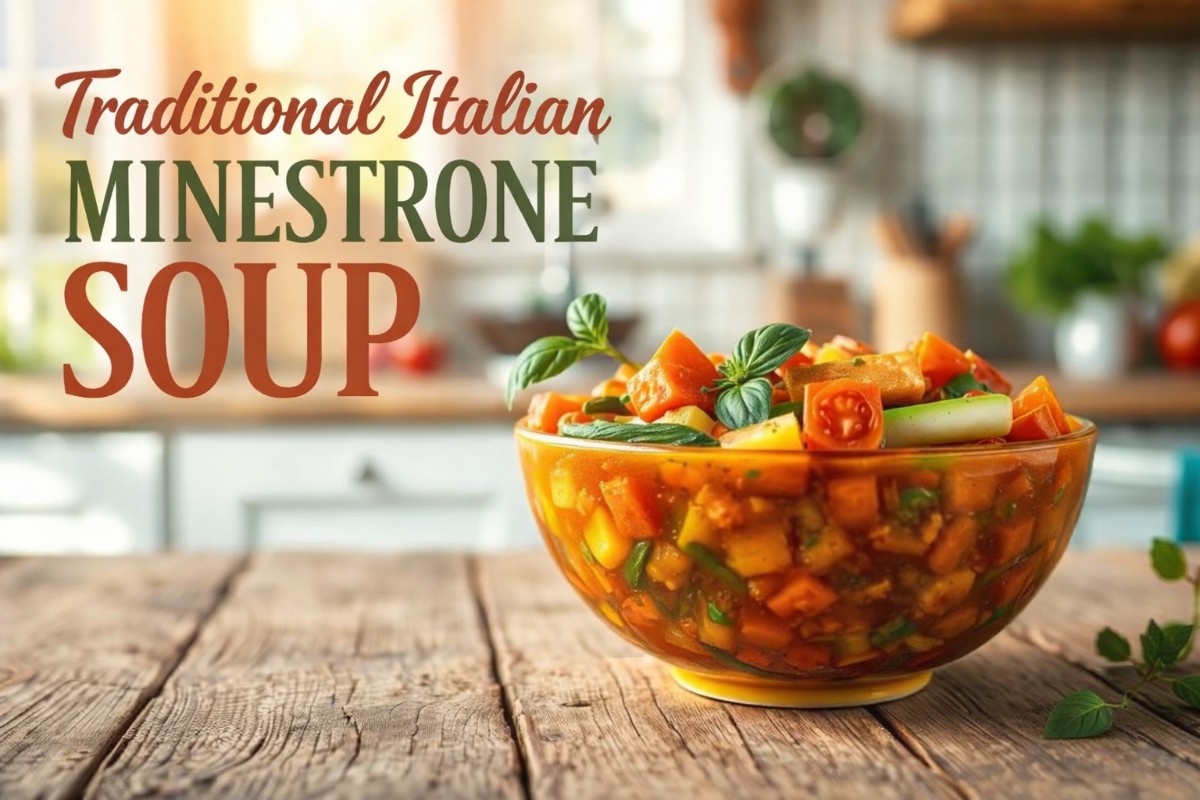
Are you ready to warm up with a bowl of comforting goodness? This has been a staple in Italian cuisine for centuries. Imagine a hearty, vegetable-packed soup that’s not only delicious but also versatile and easy to make.

You are about to embark on a culinary journey. You’ll learn about the rich history and essential ingredients of this beloved dish. You’ll discover how to make the perfect bowl that suits your taste and dietary needs. It’s great for a cozy night in or a nutritious meal for the family.
Key Takeaways
- Explore the rich history of this classic Italian vegetable soup.
- Learn about the essential ingredients that make it so delicious.
- Discover a simple step-by-step guide to preparing the perfect bowl.
- Find out how to customize it according to your dietary preferences.
- Understand the nutritional benefits of this hearty soup.
The Rich History of Minestrone Soup in Italian Cuisine
Exploring Minestrone’s history reveals its ancient roots and evolution. This quintessential Italian soup has been a staple for centuries. It reflects the country’s culinary diversity with its flavors.
Origins in Ancient Rome
Minestrone’s roots go back to Ancient Rome. It was a simple meal for the lower classes. The original recipe used vegetables, beans, and bread, showing Roman cooking’s resourcefulness. This humble start set the stage for its evolution.
Evolution Through Italian Regions
As Italian cuisine grew, Minestrone changed across regions. Each area brought its own twist with local ingredients. For example, Tuscany adds cannellini beans, while other regions use different vegetables or pasta. This diversity makes the soup a true Italian culinary gem.
“La vera cucina italiana è semplice, è povera, è quella che fa la moglie.” (“True Italian cuisine is simple, it’s poor, it’s what the wife makes.”) – This proverb captures Minestrone’s essence, highlighting its simplicity and homemade quality.
Minestrone in Modern Italian Culture
Today, Minestrone is a key part of Italian cuisine. It symbolizes the country’s love for hearty, comforting food. It’s a favorite at family gatherings and for homemade meals. Modern recipes keep its traditional essence while adding new ingredients.
| Region | Common Ingredients Added |
|---|---|
| Tuscany | Cannellini beans, kale |
| Sicily | Aubergine, tomatoes |
| Veneto | Small pasta shapes, zucchini |
What Makes Traditional Italian Minestrone Soup Special
In the world of Italian soups, Minestrone is a standout. It follows the ‘Cucina Povera’ or ‘poor cooking’ tradition. This tradition uses simple, local ingredients to make nourishing meals. Exploring Minestrone reveals its unique qualities that make it a favorite in Italy.
The Philosophy of “Cucina Povera”
‘Cucina Povera’ is more than cooking; it’s about making the most of what’s available. Minestrone soup is a great example, using vegetables, beans, and pasta for a hearty meal. This approach reduces waste and makes a vegetable-packed minestrone that’s both healthy and tasty.
Regional Variations Across Italy
Traveling through Italy, you’ll see Minestrone soup changes a lot from one region to another. Each area adds its own twist with local ingredients and cooking methods. For example, some places add more beans, while others use different pasta shapes. This variety makes homemade minestrone soup rich and exciting, as every family has its own version.
| Region | Key Ingredients | Characteristics |
|---|---|---|
| Northern Italy | More root vegetables, sometimes includes rice | Thicker consistency |
| Central Italy | Variety of vegetables, cannellini beans | Clear broth, emphasis on fresh vegetables |
| Southern Italy | More tomatoes, sometimes includes eggplant | Brighter flavors, often served with crusty bread |
Seasonal Adaptability of Minestrone
Minestrone soup is great because it changes with the seasons. Using fresh ingredients for each season makes Minestrone unique. In spring, add fresh greens, and in winter, use heartier veggies like carrots and potatoes. This makes Minestrone a versatile dish enjoyed all year.
By following ‘Cucina Povera’ and celebrating regional differences, Minestrone remains a key part of Italian cuisine. Its seasonal adaptability keeps it fresh and exciting, making it perfect for any time of the year.
Essential Ingredients for Authentic Minestrone
Authentic Italian Minestrone Soup needs fresh and varied ingredients. To make a delicious and traditional Minestrone, focus on key components. These are what make the soup so loved.
Fresh Vegetables: The Foundation
Fresh vegetables are the heart of a great Minestrone. The types of vegetables you pick greatly affect the soup’s taste and health benefits.
Seasonal Vegetable Selection
Using seasonal vegetables makes your Minestrone taste fresher. In spring, use carrots, zucchini, and green beans. Summer is perfect for ripe tomatoes and bell peppers.
Giulia Scarpaleggia, an Italian cooking expert, says, “Minestrone’s beauty is in its ability to change with the seasons.”
Organic vs. Conventional Produce
The debate on organic vs. conventional produce is ongoing. Organic might have fewer pesticides, but conventional can be just as good. Your choice depends on what you prefer and can afford.
| Vegetable | Season | Flavor Profile |
|---|---|---|
| Carrots | Year-round | Sweet, earthy |
| Zucchini | Summer | Mild, slightly sweet |
| Tomatoes | Summer | Acidic, tangy |
Beans and Legumes: The Protein Source
Beans and legumes are key in Minestrone, adding protein and fiber. Kidney beans, cannellini beans, and chickpeas are traditional choices.
According to
“The Oxford Companion to American Food and Drink”
, “Legumes have been a staple in Italian cuisine for centuries, providing a rich source of protein and nutrients.”
Herbs and Aromatics: The Flavor Enhancers
Herbs and aromatics like garlic, onions, and basil add depth and complexity. They are sautéed at the start to create a flavorful base.
Marcella Hazan advises in her classic cookbook, “The more you chop the onions and garlic, the more they release their flavors.”
Kitchen Equipment You’ll Need
To make a great homemade Minestrone Soup, start with the right kitchen tools. You’ll need some key equipment to make cooking easier and more efficient.
Choosing the Right Pot
The pot you pick is very important for Minestrone Soup. A large, heavy-bottomed pot is best. It spreads heat evenly, so your soup won’t burn or stick.
Think about using a Dutch oven or a big saucepan. It should hold at least 4 quarts. This size lets you add all the ingredients without the pot being too full.
Essential Utensils and Tools
You’ll also need some basic tools for your Minestrone Soup. A sharp chef’s knife is key for chopping veggies. A cutting board is great for a clean, stable place to prep.
A wooden spoon or silicone spatula is perfect for stirring. And a ladle makes serving a breeze. Don’t forget a can opener for opening canned beans and tomatoes.
| Equipment | Purpose |
|---|---|
| Large Pot (Dutch Oven or Saucepan) | Cooking the Minestrone Soup |
| Chef’s Knife | Chopping Vegetables |
| Cutting Board | Preparing Ingredients |
| Wooden Spoon or Silicone Spatula | Stirring the Soup |
| Ladle | Serving the Soup |
| Can Opener | Opening Canned Ingredients |
Preparing Your Vegetables for Minestrone
Creating a great Minestrone Soup starts with the right vegetable prep. You need fresh, clean, and well-prepared veggies for a delicious, authentic Italian Minestrone. Follow these steps for a flavorful and nutritious soup.
Proper Washing and Cleaning Techniques
Washing your veggies is the first step. Rinse them under cold water to get rid of dirt. For leafy greens, soak them in cold water to loosen dirt. Then, dry them with a towel or salad spinner to remove extra moisture.
Cutting and Chopping Methods
How you cut your veggies is key for Minestrone’s look and feel. Even cuts help all veggies cook evenly, so no one is mushy or raw.
Uniform Cutting for Even Cooking
Use sharp knives and boards for even cuts. Dice carrots and potatoes into the same size cubes. Slice green beans into the same length pieces.
Size Considerations for Different Vegetables
The size of your cuts depends on the veggie. Cut harder veggies like carrots into bigger pieces. Softer veggies like zucchini should be smaller for even cooking.
| Vegetable | Recommended Cut | Size |
|---|---|---|
| Carrots | Dice | 1/2 inch |
| Zucchini | Slice | 1/4 inch |
| Potatoes | Dice | 1/2 inch |
Time-Saving Preparation Tips
Chopping veggies in batches can save time. You can also chop them the night before and store them in airtight containers. Using pre-chopped veggies can be quicker, but fresh is better for taste.
Step-by-Step Traditional Italian Minestrone Soup Recipe
Italian cuisine is all about simplicity. Our Minestrone recipe is a great example. It’s tasty and easy to make with common ingredients. Let’s make an authentic minestrone recipe that you’ll love.
Creating the Flavor Base: Soffritto
The soffritto is the base of a great Minestrone. It’s a mix of sautéed onions, carrots, and celery. Start by finely chopping:
- 1 medium onion
- 2 stalks of celery
- 2 medium carrots
Heat 2 tablespoons of olive oil in a large pot over medium heat. Add the chopped veggies and cook until they’re soft, about 5-7 minutes. This step is key for flavor in your easy minestrone soup recipe.

Adding Vegetables in the Right Order
Once your soffritto is ready, add the other veggies. Add them in the right order for cooking time. Start with the harder veggies like:
| Vegetable | Cooking Time |
|---|---|
| Potatoes | 10-12 minutes |
| Carrots | 8-10 minutes |
| Zucchini | 5-7 minutes |
| Tomatoes | 5 minutes |
After adding all the veggies, stir well to mix.
Incorporating Beans and Pasta
Minestrone gets its heartiness from beans and pasta. Use:
- 1 can of cannellini beans, drained and rinsed
- 1 cup of small pasta shapes like elbow macaroni or ditalini
Add the beans and pasta, stirring to mix. The beans add protein, and the pasta makes it comforting.
Simmering to Perfection
The last step is simmering your Minestrone. Bring it to a boil, then lower the heat to low. Let it simmer for 20-30 minutes. This blends all the flavors, making a rich authentic minestrone recipe. Season with salt and pepper to taste.
By following these steps, you’ll have a delicious easy minestrone soup recipe for any time. Enjoy cooking, and buon appetito!
Regional Variations of Minestrone
Italy’s regions have their own take on Minestrone soup. Each area adds its own twist, using local ingredients and cooking methods. This shows off the country’s rich culinary diversity.
Northern Italian Style
In the north, Minestrone is often thicker and richer. It includes rice, barley, and certain beans. This is because of the region’s close ties to Europe.
Milan and Lombardy Variations
In Milan and Lombardy, they use risotto rice or barley for a thicker soup. They also add local veggies and sometimes sausage for extra taste.
Venetian Influences
The Venetian area adds a unique touch with seafood or fish stock. This comes from its coastal location. It makes the Minestrone taste different.
Central Italian Approach
Central Italy, like Tuscany, keeps things simple and fresh. Their Minestrone has fresh vegetables and canellini beans. The broth is light, letting the flavors shine.
Southern Italian Twist
Southern Italy’s Minestrone is rustic and spicy. It includes eggplant, peppers, and hot peppers. The flavor is bold. Olive oil is used more here too.
These regional takes on Minestrone show Italy’s culinary variety. It’s a hearty Italian soup that’s both comforting and exciting to try.
Seasonal Adaptations for Your Minestrone
As the seasons change, you can easily adapt your vegetable-packed minestrone. This makes it a beloved dish all year. By changing the ingredients with the seasons, your soup stays exciting and fresh.
Spring Minestrone Ingredients
Spring is a great time for fresh greens like spinach, kale, and lettuce. Add early spring veggies like peas, carrots, and radishes. These add flavor and color to your soup.
Summer Vegetable Options
Summer brings veggies at their peak flavor. Zucchini, bell peppers, and tomatoes are great choices. Corn and okra add texture and flavor. Summer minestrone is light and refreshing.
Fall Harvest Variations
Fall is for root veggies like butternut squash, parsnips, and turnips. They add warmth to your soup. Beans and pasta make it heartier.
Winter Comfort Minestrone
Winter is for hearty, comforting minestrone. Use veggies like cabbage, kale, and carrots. Beans and pasta add substance. A bit of diced ham or bacon enhances the flavor.
| Season | Key Ingredients | Characteristics |
|---|---|---|
| Spring | Spinach, kale, peas, carrots | Fresh, light, colorful |
| Summer | Zucchini, bell peppers, tomatoes, corn | Refreshing, light, vibrant |
| Fall | Butternut squash, parsnips, turnips | Warm, comforting, hearty |
| Winter | Cabbage, kale, carrots, beans, pasta | Hearty, comforting, robust |
Adapting your minestrone to the seasons brings new flavors and textures. This keeps your dish interesting and uses the freshest ingredients.
Making Traditional Italian Minestrone Soup Ahead of Time
Preparing Traditional Italian Minestrone Soup ahead of time is a big help for busy cooks. It saves time and makes the soup taste even better. The flavors get stronger over time.
Meal Prep Strategies
Minestrone Soup is perfect for meal prep. You can make it a few days early and keep it in the fridge or freezer. Here are some tips to make it easier:
- Chop all the veggies a day before and store them in airtight containers.
- Cook the beans and pasta separately and add them just before reheating.
- Use a slow cooker to simmer the soup while you’re away, letting the flavors mix.
With these tips, you can enjoy a delicious and easy minestrone soup recipe any day.
Flavor Development Over Time
One great thing about making Minestrone Soup early is the flavor growth. As it sits, the ingredients blend their flavors into the broth. This makes the soup richer and more complex.
Reheating the soup gently keeps the veggies and pasta soft. Adding fresh herbs or a squeeze of lemon juice can also enhance the taste just before serving.

By making Minestrone Soup ahead, you get a best minestrone soup that’s full of flavor and ready when you are.
Common Mistakes to Avoid When Making Minestrone
Making an authentic minestrone recipe needs careful attention to avoid common errors. As you prepare this classic Italian vegetable soup, aim for a flavorful and satisfying dish. Knowing the pitfalls helps you prevent them and get a delicious result.
Overcooking Your Vegetables
One big mistake in Minestrone is overcooking the vegetables. To avoid this, add vegetables at different times. Harder vegetables like carrots and celery go in early. Leafy greens are added later. This keeps each vegetable’s texture and flavor.
Seasoning Errors
Seasoning is key in Minestrone, as it boosts the flavor. A common mistake is not seasoning in layers. Start with a soffritto of onions, garlic, and herbs. Then, add salt and herbs throughout the cooking. Taste often to adjust the seasoning for a balanced flavor.
Pasta and Bean Pitfalls
Pasta and beans are key in Minestrone, but they can be tricky. To avoid mushy pasta, cook it separately and add it just before serving. For beans, cook them until tender but not mushy. Canned beans are convenient, but rinse them well to remove excess sodium.
By avoiding these common mistakes, you’ll make a delicious and authentic Minestrone. With practice and attention to detail, your classic Italian vegetable soup will become a favorite in your kitchen.
Dietary Adaptations for Your Minestrone
With a few tweaks, your homemade minestrone can be enjoyed by those with various dietary restrictions. Minestrone soup is inherently adaptable. It’s easy to modify for different dietary needs without losing its hearty Italian essence.
Gluten-Free Variations
To make your minestrone gluten-free, focus on the pasta and broth. Replace traditional pasta with gluten-free alternatives made from rice, corn, or quinoa. Make sure your vegetable broth is gluten-free, as some brands may use gluten.
Always check labels to confirm that the products you choose are certified gluten-free.
Vegan and Vegetarian Options
Minestrone is naturally vegetarian, making it a great canvas for vegan adaptations. For a vegan version, replace any dairy products with plant-based alternatives. Use vegetable broth instead of chicken or beef broth.
Be mindful of the beans and pasta you choose, as some may be processed in facilities that handle gluten or other allergens.
Low-Sodium Approaches
Reducing sodium in your minestrone is achievable by making a few simple changes. Use low-sodium broth or make your own broth from scratch to control the salt content. Limit the amount of added salt and enhance flavors with herbs and spices instead.
You can also rinse canned beans to remove excess sodium.
By implementing these dietary adaptations, you can ensure that your homemade minestrone soup is enjoyable for everyone, regardless of their dietary restrictions. Whether you’re cooking for a crowd or preparing meals in advance, these adjustments make your hearty Italian soup inclusive and delicious.
Serving Suggestions for Your Homemade Minestrone
Your traditional Italian Minestrone Soup is ready. Let’s make it shine on the dinner table. Serving your homemade Minestrone is more than just ladling it into bowls. It’s about creating an experience that delights your taste buds and warms your heart.
Traditional Accompaniments
In Italy, Minestrone is often served with accompaniments that enhance its flavors. Two classic pairings are bread and crostini, and cheese additions.
Bread and Crostini Pairings
A crusty loaf of Italian bread or a basket of toasted crostini can complement your Minestrone perfectly. Try pairing it with a rustic Ciabatta or Grilled Focaccia for a delightful texture contrast.
For an extra burst of flavor, consider adding some grated Parmesan or Pecorino cheese to your Minestrone. The sharpness of the cheese beautifully balances the hearty vegetables.
Garnishing for Flavor and Presentation
Garnishing your Minestrone can elevate both its flavor and presentation. Consider adding a drizzle of extra virgin olive oil, a sprinkle of fresh parsley, or a dollop of pesto to give your soup a vibrant touch.
| Garnish | Flavor Profile | Visual Appeal |
|---|---|---|
| Extra Virgin Olive Oil | Rich, fruity | Shiny, glossy finish |
| Fresh Parsley | Bright, herbaceous | Fresh, green color |
| Pesto | Nutty, basil-forward | Vibrant green, textured |
Wine Pairing Recommendations
To enhance your dining experience, consider pairing your Minestrone with a glass of wine. A dry white wine like Pinot Grigio or a light red like Chianti can complement the flavors of your best Minestrone Soup.
By incorporating these serving suggestions, you’ll be able to enjoy your traditional Italian Minestrone Soup to its fullest. You’ll create a memorable meal that will leave everyone wanting more.
Conclusion: Embracing the Tradition of Italian Minestrone
As you finish exploring Traditional Italian Minestrone Soup, you’re ready to make a delicious, authentic classic Italian vegetable soup. This soup warms the heart and nourishes the soul. By following the easy minestrone soup recipe in this article, you’ll bring Italy’s flavors to your table.
Minestrone Soup has a rich history and is very versatile. It will become a favorite in your kitchen. You can try different regional and seasonal versions to keep it interesting. This recipe is perfect for both experienced cooks and beginners, helping you discover Italian cuisine.
Now, you appreciate this beloved dish more. Share your experiences and new versions with others. Pair your Minestrone with traditional Italian foods and wines for a better dining experience. Every spoonful brings a taste of Italy’s culinary heritage to you.
FAQ
What is traditional Italian Minestrone Soup?
Traditional Italian Minestrone Soup is a hearty soup. It’s filled with a mix of seasonal vegetables, beans, and pasta in a rich broth.
Can I make Minestrone Soup ahead of time?
Yes, you can make Minestrone Soup ahead of time. It tastes even better when refrigerated or frozen and then reheated. This lets the flavors blend together.
What are some common mistakes to avoid when making Minestrone?
Avoid overcooking the vegetables and using too much salt. Also, don’t forget to adjust the seasoning. These mistakes can make the soup taste unbalanced.
Can I make a vegan or gluten-free version of Minestrone Soup?
Yes, making a vegan or gluten-free Minestrone Soup is easy. Just use vegetable broth instead of chicken broth. Choose gluten-free pasta for the base.
How can I adapt Minestrone Soup to suit different dietary needs?
To adapt Minestrone Soup, use low-sodium broth. For a low-carb version, reduce or omit the pasta. Add beans or tofu for a vegan or vegetarian option.
What are some traditional accompaniments to serve with Minestrone Soup?
Serve Minestrone Soup with crusty bread, crostini, and grated Parmesan cheese. A side salad also complements the soup’s flavors and textures.
Can I freeze Minestrone Soup?
Yes, you can freeze Minestrone Soup. But freeze it without the pasta. The pasta can become mushy when reheated. Add cooked pasta when reheating for the best taste.
How do I make a classic Italian vegetable soup?
To make a classic Italian vegetable soup, start by sautéing onions, garlic, and celery. Then add a mix of seasonal vegetables, beans, and broth. Simmer until the flavors are rich and the vegetables are tender.