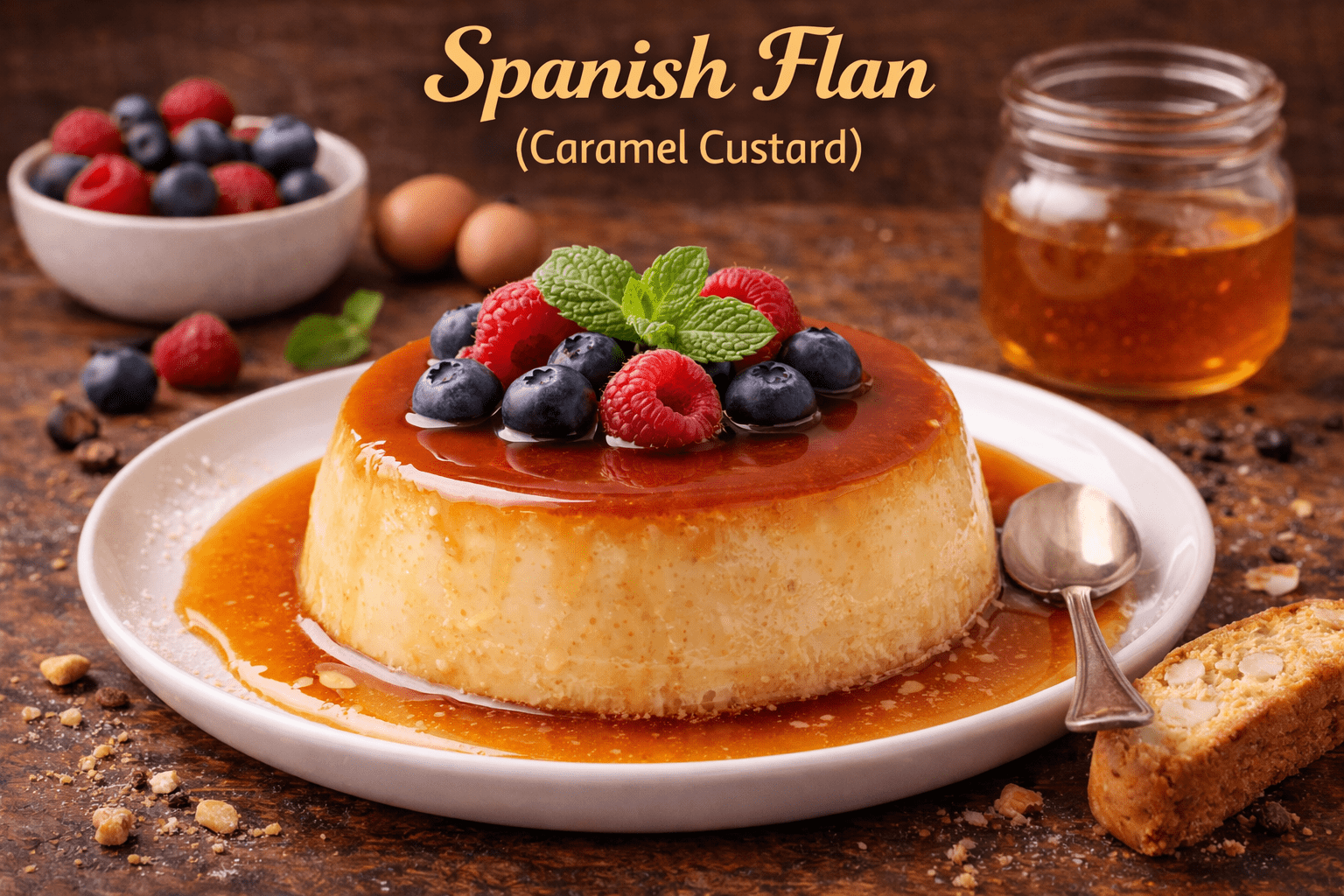
Spanish Flan (Caramel Custard) is one of the most famous desserts in Spain and many Latin countries. It is a smooth baked custard topped with golden caramel sauce. When you flip it onto a plate, the caramel flows over the top, creating a glossy finish.
Flan looks elegant, but it is made from very simple ingredients. It requires careful preparation and proper baking technique. In this complete guide, you will learn about the history of Spanish Flan (Caramel Custard), the essential ingredients, step-by-step instructions, expert baking tips, common mistakes, storage advice, and serving ideas.
What Is Spanish Flan (Caramel Custard)?
Spanish Flan (Caramel Custard) is a baked egg custard with a layer of caramel at the bottom of the mold. After baking and chilling, the custard is inverted onto a plate. The caramel becomes a sauce that covers the top.
Traditional Spanish flan contains:
- Eggs
- Whole milk
- Sugar
- Vanilla
- Caramelized sugar
The texture should be:
- Smooth
- Creamy
- Firm but soft
- Free of bubbles
It should not taste overly sweet.
The History of Spanish Flan
Flan dates back to ancient Rome, where egg-based custards were common. Over time, the recipe spread across Europe. In Spain, it became a popular dessert because it used affordable ingredients like eggs and milk.
When Spain expanded into Latin America, flan became part of many regional cuisines. Today, Spanish Flan (Caramel Custard) is served in homes and restaurants worldwide.
Essential Ingredients for Spanish Flan (Caramel Custard)
Using fresh ingredients ensures the best texture and flavor.
1. Eggs
Eggs are the main structure of flan.
Use:
- Large eggs
- Fresh eggs
Too many eggs can make flan dense.
2. Milk
Whole milk is traditional.
Some variations use sweetened condensed milk, but classic Spanish flan uses regular milk.
Milk provides smooth texture.
3. Sugar
Sugar is used for:
- Sweetening custard
- Making caramel
Do not reduce too much, as it affects structure.
4. Vanilla
Vanilla extract adds flavor.
Pure vanilla gives better aroma.
Step-by-Step Guide to Making Spanish Flan (Caramel Custard)
Step 1: Make the Caramel
In a saucepan:
- Add sugar evenly in pan.
- Heat over medium heat.
- Allow sugar to melt slowly.
Do not stir constantly. Swirl pan gently.
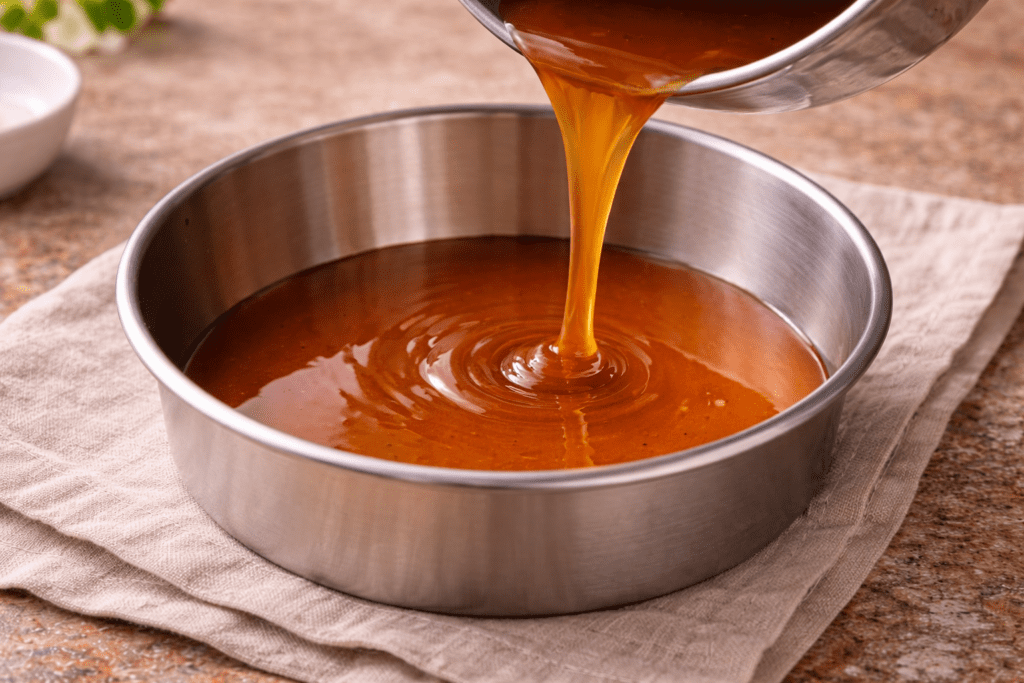
When sugar turns golden brown, remove from heat.
Immediately pour caramel into flan mold.
Tilt mold to coat bottom evenly.
Let caramel harden.
Step 2: Prepare the Custard Mixture
In a bowl:
- Whisk eggs gently.
- Add sugar.
- Pour in milk slowly while whisking.
- Add vanilla.
Do not beat too hard. Avoid creating foam or bubbles.
Strain mixture through fine sieve for smooth texture.
Step 3: Pour Custard into Mold
Carefully pour custard over hardened caramel.
Step 4: Bake in Water Bath
Preheat oven to 350°F (175°C).
Place flan mold inside larger baking dish.
Fill outer dish with hot water halfway up sides.
Bake for 50–60 minutes.
Center should be slightly jiggly but set.
Step 5: Cool and Chill
Remove flan from water bath.
Cool at room temperature.
Refrigerate for at least 4 hours.
Overnight chilling is best.
Step 6: Unmold the Flan
Run knife around edges.
Place plate on top.
Flip carefully.
Lift mold gently.
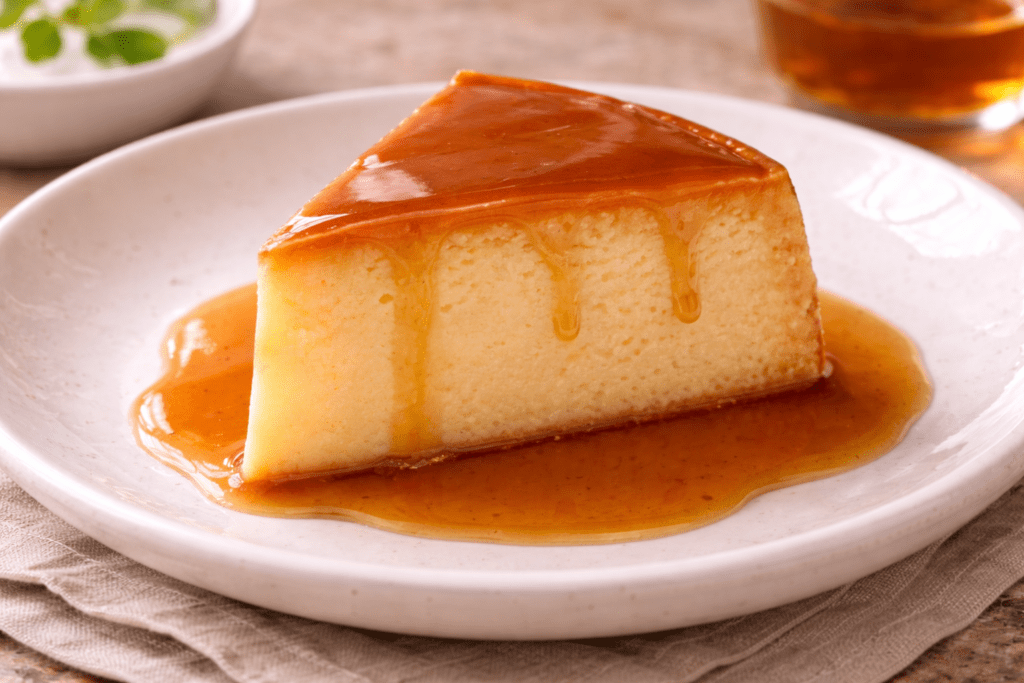
Caramel will flow over custard.
Texture and Flavor Expectations
Proper Spanish Flan (Caramel Custard) should be:
- Smooth and creamy
- Silky texture
- Light caramel flavor
- Not rubbery
Caramel should taste slightly toasted but not burnt.
Common Mistakes to Avoid
Overcooking
Makes flan rubbery.
Stirring Caramel Too Much
Causes crystallization.
Skipping Water Bath
Results in uneven baking.
Creating Air Bubbles
Leads to holes in custard.
Expert Tips for Perfect Spanish Flan (Caramel Custard)
- Use water bath for even cooking.
- Strain custard mixture.
- Avoid overbaking.
- Chill fully before unmolding.
- Use gentle heat for caramel.
These small steps improve final result.
Variations of Spanish Flan
While classic version uses milk, variations include:
- Flan de coco (coconut flan)
- Flan with condensed milk
- Coffee flan
- Orange flan
However, traditional Spanish Flan (Caramel Custard) remains simple and balanced.
Storage Tips
Store flan:
- Covered in refrigerator
- Up to 3 days
Keep caramel sauce with flan.
Do not freeze. Freezing affects texture.
Serving Suggestions
Serve Spanish Flan (Caramel Custard):
- Chilled
- With fresh berries
- With whipped cream
- With espresso
Cut clean slices using warm knife.
Nutritional Overview
Flan contains:
- Protein from eggs
- Dairy from milk
- Sugar
It is rich but served in moderate portions.
Why Spanish Flan (Caramel Custard) Remains Popular
This dessert remains popular because:
- It uses simple ingredients
- It looks elegant
- It can be made ahead
- It has smooth texture
- It represents Spanish culinary tradition
It is a reliable dessert for gatherings.
Frequently Asked Questions
1. Why is my flan rubbery?
It was likely overbaked.
2. Why are there bubbles in my flan?
Custard was whisked too aggressively.
3. Can I skip water bath?
Not recommended. It ensures smooth texture.
4. Why did my caramel harden?
Caramel naturally hardens but melts during baking.
5. How do I know flan is done?
Center should slightly jiggle but not be liquid.
6. Can I reduce sugar?
Reducing too much affects structure and flavor.
Final Thoughts
Spanish Flan (Caramel Custard) is a timeless dessert made from simple ingredients but requiring careful technique. The combination of smooth custard and golden caramel makes it elegant and satisfying.
By preparing caramel carefully, baking in a water bath, and chilling properly, you can create authentic Spanish flan at home.
Take your time, follow each step carefully, and enjoy a dessert that has been loved for generations.